Pigeon Blood Ruby Reports in India: What GSI's New Colour Names Mean
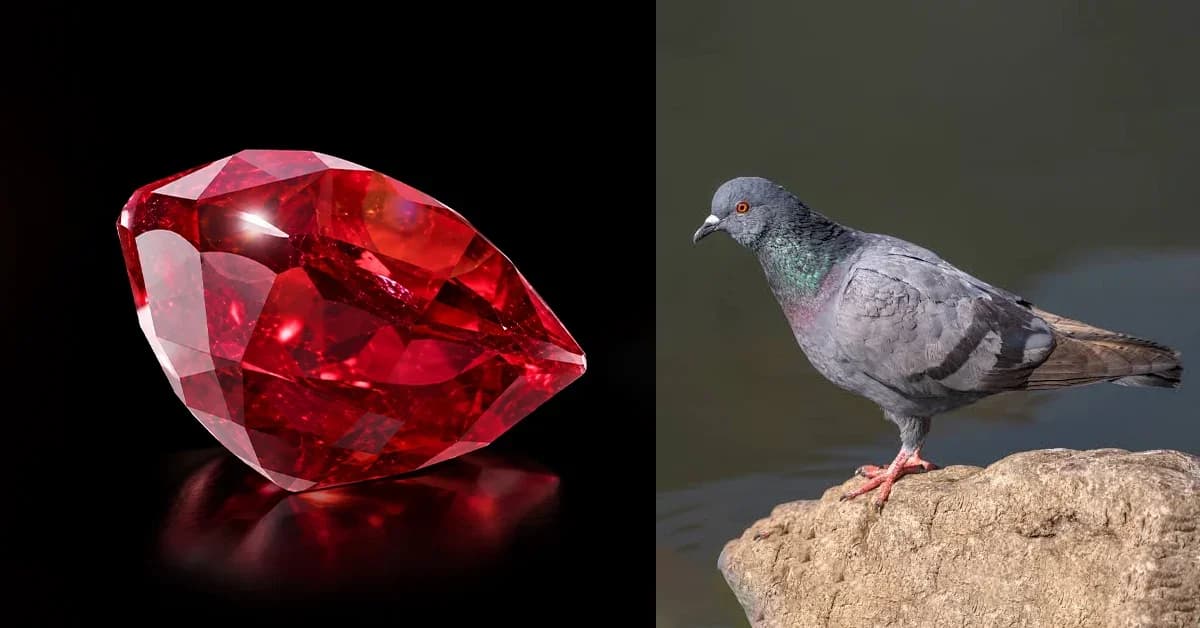
What makes a ruby worthy of the name Pigeon Blood, or a sapphire deserving of the title Royal Blue? Colour has always played a defining role in the appeal of fine gemstones, but putting that colour into a recognised classification is not as simple as it sounds.
In August 2026, Gemological Science International (GSI) began issuing gemstone reports in India that feature color trade names: Pigeon Blood for ruby, and Royal Blue and Padparadscha for sapphire.
The reports come from its Jaipur and Mumbai labs, and it is the first time such reports have been issued in India.
GSI qualifies only untreated stones for this colour characterization. Heated, diffused, or otherwise enhanced gems are not included, no matter how good their color looks. That matters because a name like pigeon blood should describe what nature made, not what a furnace did.
GSI also says a stone tested in Jaipur gets the same result as one tested at any of its labs, so the name means the same thing everywhere.
This blog explores what these colour names mean, how GSI identifies them, and how its approach compares with other gemological laboratories.
What Is GSI?
Gemological Science International, or GSI, is a gem-testing organization founded in New York City in 2005. It has laboratories across four continents and identifies and grades gemstones for manufacturers and retailers worldwide. It also runs education programs for the trade.
How Does GSI Evaluate Gemstone Colour?
Each colour name rests on documented criteria: set ranges of hue, tone and saturation. Hue is the basic colour, tone is how light or dark it looks, and saturation is how vivid it is. A stone must fall inside the range for its name.
Stones are judged under standardised lighting, because the same ruby can look quite different under a shop bulb and in daylight. The call is then backed by spectroscopic and colorimetric analysis. In simple terms, colorimetric testing measures colour with instruments instead of relying on the eye, while spectroscopy studies how a stone interacts with light.
To keep results consistent, GSI says all its labs share master reference sets, calibrated equipment, and proficiency testing for gemmologists. As a result, a gemstone assessed in Jaipur would receive the same determination at any GSI Laboratory
Indian traders also gain a practical advantage. Fine stones no longer have to be sent abroad for these names, which cuts cost, transit risk and delays.
What Do These Colour Names Mean?
These are trade names based on scientific criteria. GSI says each has defined ranges, but the announcement doesn't publish the exact numbers.
Pigeon Blood Ruby
This is the most famous name in the ruby world. It is traditionally linked to the Burmese trade and describes a vivid, pure red, often with a faint hint of blue, medium in tone and with a strong inner glow. The name refers to color but doesn't indicate where the stone was mined.
Royal Blue Sapphire
Royal Blue describes a rich, deeply saturated blue. It shouldn't look washed out or greyish. Like the ruby designation, it is open only to untreated sapphires.
Padparadscha Sapphire
Padparadscha is a delicate blend of pink and orange. The name is believed to come from the Sinhalese word for lotus blossom.
How Does a GSI Report Compare With Other Labs?
GSI isn't the first lab to use these words. Gübelin, GRS, SSEF and AGL are among the labs known to issue pigeon blood designations, and each works from its own reference standards. This means the criteria can differ from lab to lab. GSI's pitch is consistency: identical definitions at every one of its labs, now available in Jaipur, Mumbai, New York and Bangkok.
What's new is access. Indian traders can now get these colour names locally.
When you're shown a report, check that it states the colour name itself, confirms the stone is untreated, and names the issuing lab.
Must Read: Gemstone Care Guide: How to Clean, Store & Protect Every Type of Gemstone
What Did Meenu Brijesh Vyas Say?
Global head gemologist Meenu Brijesh Vyas said, “Jaipur has cut and traded the world’s finest rubies and sapphires for generations, yet a stone finished here has always had to travel abroad to carry a name like pigeon blood. That ends today. “It is a matter of real pride that the first laboratory in India to define these names is doing so from the city that has shaped these stones for centuries – the expertise was always here, and now the authority is too.”
FAQs
1. Does GSI issue pigeon blood ruby reports in India?
Yes. GSI began issuing them in August 2026 at its Jaipur and Mumbai labs. The service is also available in New York and Bangkok.
2. Can a heated ruby get the Pigeon Blood name?
No. GSI grants these names only to untreated stones. Heated, diffused, or otherwise enhanced gems are excluded, regardless of color.
3. Which colour names does GSI cover?
GSI covers Pigeon Blood for ruby, and Royal Blue and Padparadscha for sapphire.
Conclusion
GSI's new reports mark a real change for India's coloured gemstone trade. A pigeon blood ruby, a royal blue sapphire or a padparadscha can now be tested and named in Jaipur or Mumbai, without a long trip to an overseas lab. That saves time and money and keeps valuable stones closer to home.
But the name is only half the story. Every one of these reports covers only untreated stones, so a heated ruby with gorgeous color still won't qualify.
If you're buying, read the whole report. Look for the colour name, the treatment status and the lab that issued it, and don't pay extra for a label you haven't checked.
Discover the latest gemstone news, industry trends, buying guides and expert insights with Gemstone Today.

Pankhur Grover
Pankhur is a Content enthusiast who loves to bring stories to life through words. She enjoys turning complex ideas into engaging, informative content. Her curiosity often leads her to discover inspiration from the most unexpected places. From the world of fashion and lifestyle to gemstones and jewellery, she loves discovering fresh perspectives and bringing interesting details to readers.