How to Import & Export Gemstones in India: 2026 Updates
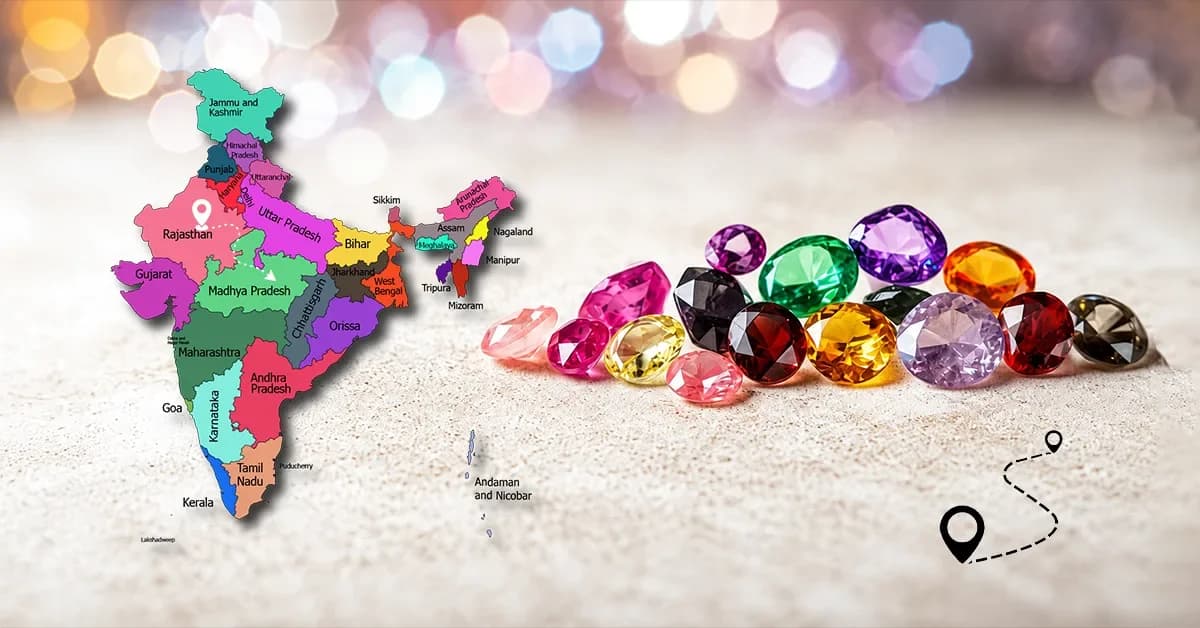
India is a global hub for gemstone cutting, polishing, and exports, with key trade centres like Mumbai, Surat, and Jaipur supplying gemstones to international markets.
In 2026, importing and exporting gemstones involves more than sourcing quality stones. Businesses must also comply with evolving trade regulations, including new rules for certain jewellery categories and temporary relief measures for selected gems and jewellery transactions.
So if you're importing or exporting stones this year, it is important to know stay updated with the latest import and export regulations.
This guide to India gemstone import-export regulations 2026 explains the key rules, documentation requirements, customs procedures, and compulsory obligations every importer and exporter should know.
Understanding India's Gemstone Import-Export Regulations in 2026
India's gemstone trade is governed by multiple regulatory authorities that oversee different aspects of international trade.
- DGFT (Directorate General of Foreign Trade): Sets import and export policy, including classification under the ITC(HS) system and licensing requirements.
- CBIC and Customs: Handle valuation, duty assessment, filing, and physical clearance of goods.
- RBI and FEMA: Regulate foreign exchange, export proceeds of realization, and banking compliance.
- GST framework: Governs domestic taxation, input tax credit, and the zero-rating of exports.
Gemstone Import Regulations in 2026
Under the gemstone import rules in India, most gemstones can be imported, but the applicable regulations depend on their exact HS Code and classification. A loose gemstone, rough diamond, cut and polished diamond, finished jewellery, or a jewellery component may each fall under different import policies, making accurate classification essential.
In 2026, the government increased the import controls for certain jewellery items under Chapter 71 by shifting selected tariff lines from "Free" to "Restricted”. As a result, affected products may require a DGFT import license before shipment.
While these changes did not extend the rules for loose gemstones, they increased obligations for businesses dealing in stone-studded jewellery and related products.
The government also introduced a one-time extension of export, re-export, and re-import deadlines for specific gems and jewellery shipments to address global logistics disruptions.
How to Import Gemstones into India Legally
Businesses wondering how to import gemstones into India legally should follow below mentioned process.
- Obtain an IECfrom DGFT.
- Confirm the HS code and the current policy status.
- Check whether the item is Free, Restricted, or subject to special conditions.
- Prepare the correct documents before shipment.
- File the Bill of Entry through customs.
- Pay applicable BCDandIGST before clearance.
- Keep records aligned for GST, customs, and banking purposes.
For rough diamond imports, a Kimberley Process Certificate is mandatory, whereas it does not apply to other gemstone categories.
Gemstone Export Rules and India's Export Policy
The gemstone export rules in India are primarily governed by the Foreign Trade Policy issued by DGFT, along with Customs procedures and RBI/FEMA regulations.
Exporters must hold a valid IEC, GST registration, and prepare the necessary export documents, including the Shipping Bill, Commercial Invoice, Packing List, and Certificate of Origin where required.
One of the significant developments in India's gemstone export policy during 2026 was the one-time relaxation of export, re-export, and re-import timelines for certain gems and jewellery shipments affected by global logistics disruptions.
DGFT also introduced specific relief for eligible cut and polished diamond movements under the re-import framework. However, these relaxations apply only to eligible transactions and should not be treated as permanent exemptions.
Customs, FEMA and GST Compliance
Successful gemstone trade extends beyond customs clearance. Under FEMA and RBI regulations, exporters must realise export proceeds within the prescribed timeline, which is currently guided by a nine-month realisation period.
Authorised Dealer (AD) Banks monitor these transactions, making timely receipt of export payments an important compliance requirement.
From a taxation perspective, gemstone import dutyin India generally consists of Basic Customs Duty, applicable IGST, and customs valuation as determined by CBIC.
For exports, GST treats supplies as zero-rated. Exporters may either export under a Letter of Undertaking (LUT) without paying IGST or paying IGST and subsequently claim a refund, depending on their business model. Eligible Input Tax Credit (ITC) can also help optimise overall costs.
Essential Documentation Checklist
Whether you import gemstones to India or export gemstones from India, maintaining complete documentation is essential for smooth customs clearance.
|
Import Documents |
Export Documents |
|
Import Export Code (IEC) |
Import Export Code (IEC) |
|
GST Registration |
GST Registration |
|
Commercial Invoice |
Commercial Invoice |
|
Packing List |
Packing List |
|
Bill of Entry |
Shipping Bill |
|
Bill of Lading/Airway Bill |
Bill of Lading/Airway Bill |
|
Certificate of Origin (where applicable) |
Certificate of Origin (where applicable) |
|
Insurance Documents |
Insurance Documents |
Conclusion
India continues to be a global centre for gemstone trade, but success depends on understanding and complying with India gemstone import export regulations 2026.
Businesses involved in importing or exporting gemstones should stay updated with DGFT notifications, ensure accurate HS Code classification, maintain complete documentation, and comply with Customs, RBI, FEMA, and GST requirements.
Since trade policies and duty structures evolve regularly, verifying the latest government notifications before every shipment remains the most reliable way to ensure smooth and compliant international trade.
FAQs
1. What Are India's Gemstone Import Regulations in 2026?
Gemstone imports are governed by DGFT policies, Customs regulations, FEMA, RBI guidelines, and GST provisions. The applicable rules depend on the correct HS Code and current import policy.
2. How can I import gemstones into India?
Businesses need an IEC, GST registration, accurate HS Code classification, complete import documentation, and compliance with Customs and foreign exchange regulations.
3. What documents are required to export gemstones from India?
The primary documents include an IEC, Shipping Bill, Commercial Invoice, Packing List, Certificate of Origin (where applicable), and other shipment-specific certifications.

Durgesh Sharma
Durgesh Sharma is a passionate writer and certified gemstone expert with over four years of practical experience in the field of gemology. Alongside his creative writing journey, he specializes in helping individuals choose the right gemstones based on astrological principles and personal needs.