Gemstones Around The World
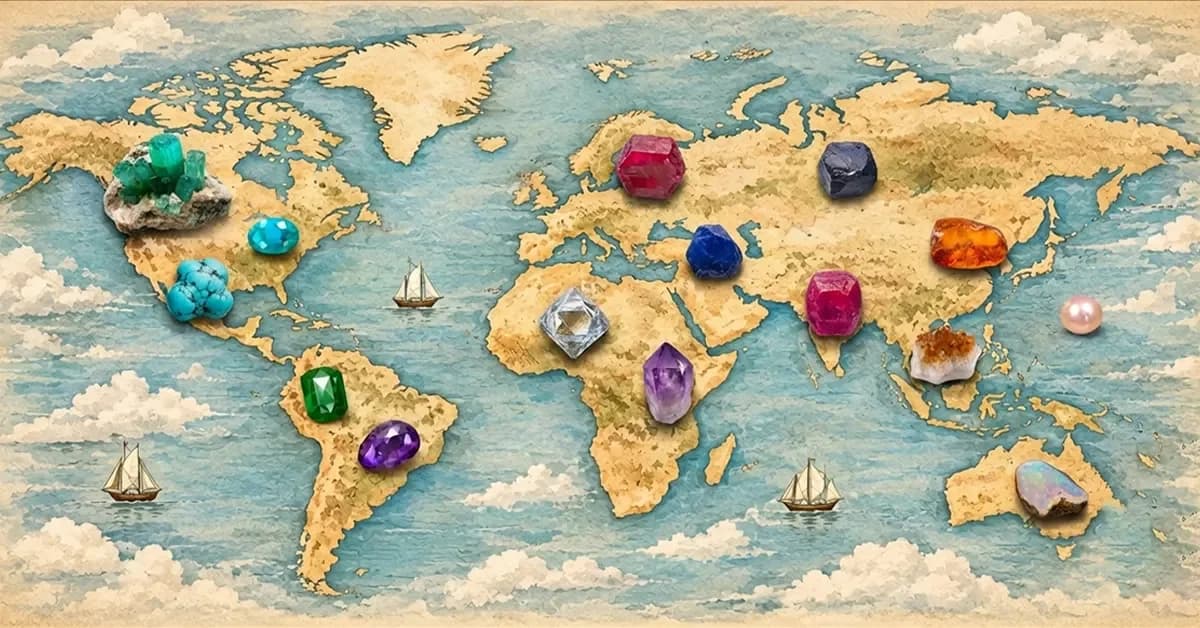
Emerald means Colombia. Ruby means Mogok. Tanzanite doesn't even bother existing anywhere except one small strip of Tanzanian hillside.
This is not a list of gemstones. It's a list of addresses: real, specific, sometimes dangerous places where geology happened to get generous.
In this blog, we take a journey to nine places where the earth left its most memorable color, and the people who've spent lifetimes pulling it out.
1. Colombia: The Capital of Emeralds
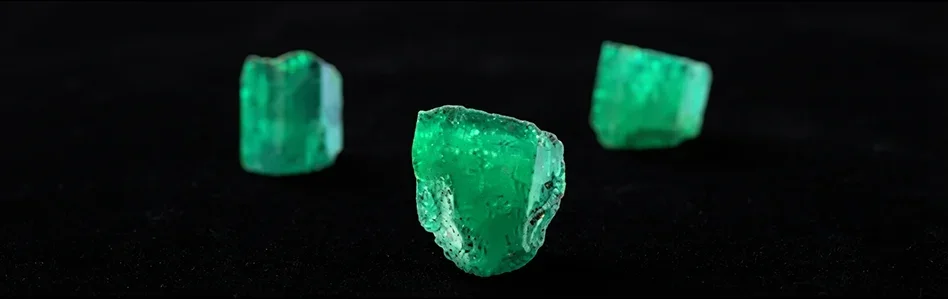
Colombian emeralds have become almost inseparable from the image of the world’s most famous green gemstones, and few gemstones are as closely connected to a place as emeralds are to Colombia.
Colombian emeralds are admired for their rich green colour and unique character, originating from the famous Muzo region.
2. Ruby Powerhouse- Mogok, Myanmar

Some reds demand attention. Burmese ruby simply commands it. For generations, Mogok has been synonymous with exceptional rubies. Its finest stones are known for vivid, saturated red colour, often described as “pigeon’s blood” red, along with strong red fluorescence that can enhance their visual appearance.
Even today, “Mogok” carries a certain mystique among collectors and connoisseurs of coloured stones.
3. Tanzania: The Home of Tanzanite

Found in exactly one place on the planet, in a strip of land smaller than most cities. Near Mount Kilimanjaro, the blue‑to‑violet gem comes from a remarkably concentrated source in northern Tanzania’s Merelani Hills.
Its unusual colour and single‑origin rarity have made tanzanite one of the rarest coloured gemstones of modern times.
Must Read: Why Tanzanite Engagement Rings Are Trending in 2026
4. The Island of Sapphires: Sri Lanka
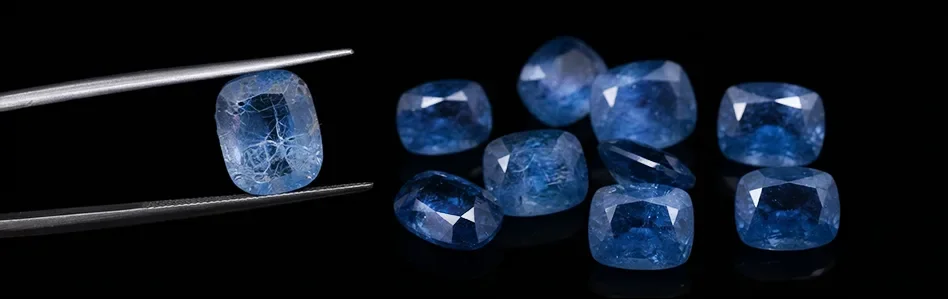
Sri Lanka has long been one of the world’s important sapphire sources, producing stones in an extraordinary range of colours.
Blue remains the classic favourite, but the island is also known for padparadscha and other fancy sapphires, giving its gem tradition a distinctly colourful character.
Must Read: 14 Gemstone Facts So Strange You Won’t Believe They’re Real
5. Australia- The Land of Opal
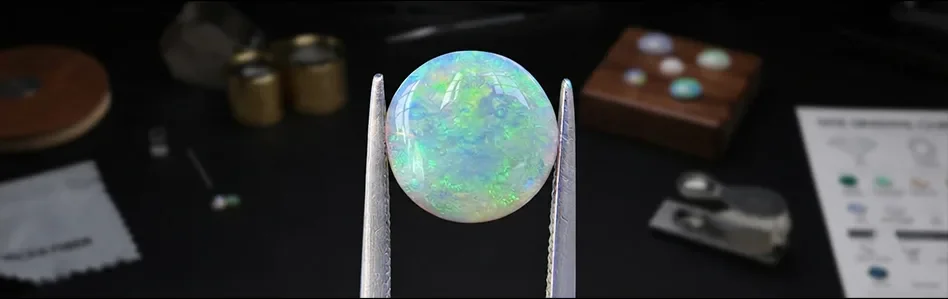
Australia and opal have shared a long‑standing identity in the gemstone world. From Lightning Ridge to Coober Pedy and Queensland, Australian deposits produce different varieties of this endlessly changing gem.
Hold it still, and it’s just a stone. Tilt it, and suddenly it’s a storm of colour — blues catching fire, greens flashing gold.
6. Imperial Topaz Place: Brazil (Ouro Preto)

Not every orange topaz earns the title of being "imperial,” only a few exceptional warm red-orange topazes have the extraordinary characteristics that jewelers gave it its own royal title.
Brazil's Ouro Preto is the only place on earth producing the Imperial Topaz, ordinary once, extraordinary now.
7. Myanmar: Face of Jade
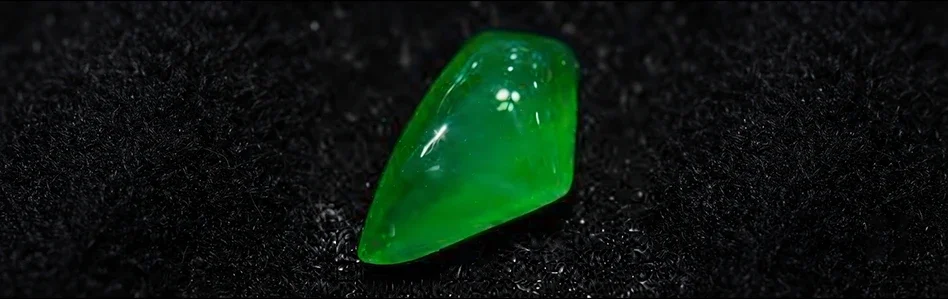
In parts of Asia, jade isn’t only jewellery. It’s inheritance. Grandmothers pass down bangles to the next generation, and nobody sells them, no matter the price.
Almost every fine jadeite on earth traces back to one valley, Hpakant, in Myanmar's Kachin State. Traders still test rough stones the old way: shining a penlight through a thin window ground into the surface, watching for the glow of good color hiding beneath a dull skin.
8. Pearl Capital of the World: Bahrain
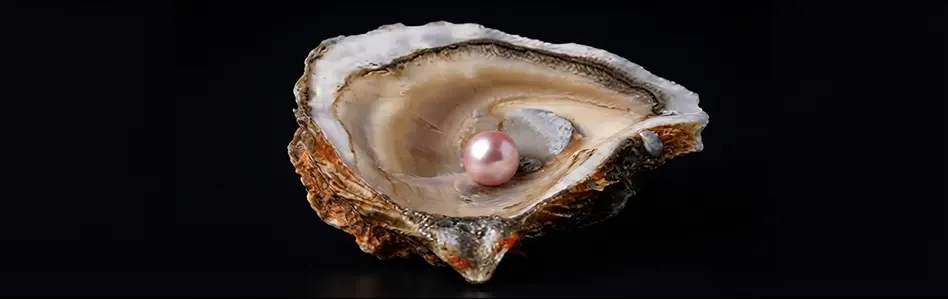
Kings and queens wore Bahrain’s harvest long before cultural pearls existed; even Queen Elizabeth I's jewels included pearls dived from these waters.
Divers went down bare-chested with nothing but a nose clip and a rope. Bahrain's natural pearls, formed with no human help, are now rarer than most colored gemstones.
9. Russia: Land of Alexandrite

Alexandrite was found by accident in Russia when miners were looking for emeralds in 1830. It does something unexpected that nobody has seen before: it changes colour under different lights, green in daylight, red under a lamp. Old miners called it a stone that couldn't make up its mind.
Conclusion
From Colombia's emerald to Bahrain's pearl, one thing becomes clear: the world's most desired gemstones were never interchangeable.
Each carries the fingerprint of the ground it came from and doesn't repeat itself anywhere else.
Whether you're a collector, a jeweler, or simply someone who likes knowing why a stone looks the way it does, understanding these origins changes how you see the gem itself.
The next time you come across an emerald, a ruby, or a flash of opal fire, you'll know it's not just a stone; it's a place the gemstone belongs to.
Go beyond the sparkle with deeper gemstone stories at Gemstone Today.
Discover the latest gemstone news, industry trends, buying guides, and expert insights with Gemstone Today.

Pankhur Grover
Pankhur is a Content enthusiast who loves to bring stories to life through words. She enjoys turning complex ideas into engaging, informative content. Her curiosity often leads her to discover inspiration from the most unexpected places. From the world of fashion and lifestyle to gemstones and jewellery, she loves discovering fresh perspectives and bringing interesting details to readers.
- 1. Colombia: The Capital of Emeralds
- 2. Ruby Powerhouse- Mogok, Myanmar
- 3. Tanzania: The Home of Tanzanite
- 4. The Island of Sapphires: Sri Lanka
- 5. Australia- The Land of Opal
- 6. Imperial Topaz Place: Brazil (Ouro Preto)
- 7. Myanmar: Face of Jade
- 8. Pearl Capital of the World: Bahrain
- 9. Russia: Land of Alexandrite
- Conclusion