Navratri 2026: Sacred Gemstones Associated With Maa Durga and Their Spiritual Significance
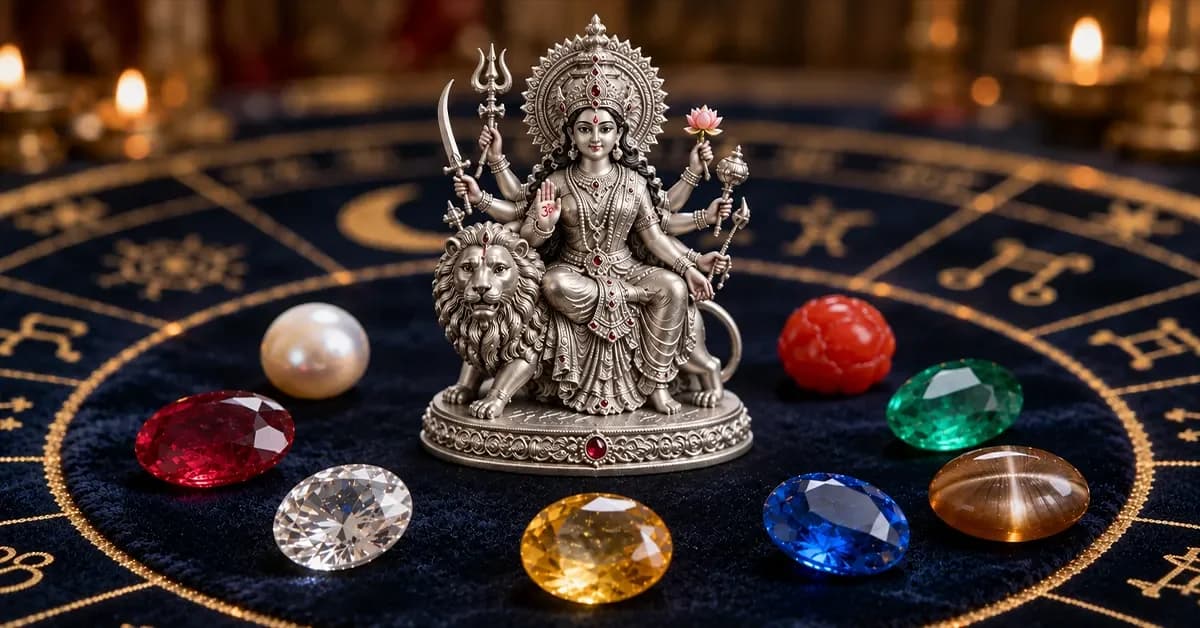
Navratri 2026 begins on Sunday, 11 October, and runs till 19 October, with Dussehra on the 20th. It brings nine days of worship dedicated to the nine forms of Maa Durga, with each day traditionally represented by a different colour.
These 9 days celebrate devotion, each representing a different aspect of feminine strength and divine energy.
Alongside prayers, fasting, and festive celebrations, Navratri is also known for its vibrant colours, with devotees often choosing their attire according to the colour associated with each day.
Nine nights, nine forms of Maa Durga, nine colours, and for gemstone lovers, nine stones to match. This Navratri gemstone guide features one gemstone for each of the nine days, along with the Devi worshipped on each day and the auspicious colour to wear.
Colours and Gemstones of Navratri: Why Do We Wear Them?
Navratri is celebrated through nine forms of Maa Durga, with each day traditionally associated with a particular colour. These Navratri colours have become an important part of the festival, reflecting her nature: white for purity, red for courage, yellow for brightness, and so on.
Wearing the colour of the day is often seen as a way of embracing its symbolic qualities and participating in the festive spirit.
Gemstones add another dimension to this tradition. Beyond colour, gemstones have held cultural and astrological significance in India for centuries.
Their associations vary across traditions, so they are best understood as part of India’s rich jewellery and spiritual heritage. Together, Navratri colours and gemstones create a meaningful blend of symbolism, tradition and personal style.
9 Days, 9 Devis, 9 Gemstones: Which Gemstone to Wear Each Day of Navratri.
Navratri 2026 runs from 11 to 19 October, and each night honours a different form of Maa Durga. Now know which goddess to pray to, what she stands for, which stone to wear, and what it is traditionally believed to bring.
Day 1: Ruby for Maa Shailputri
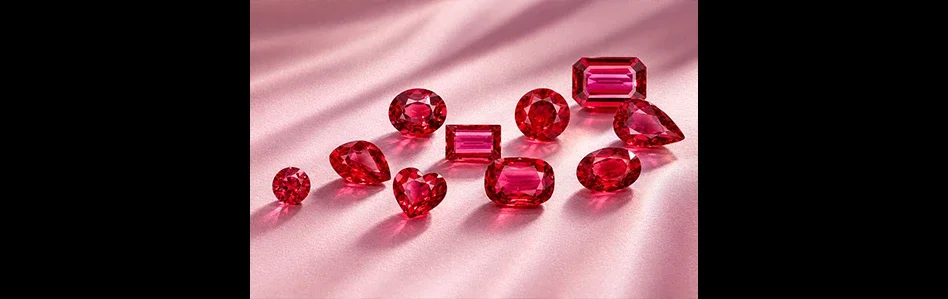
Maa Shailputri, the mountain king's daughter, opens Navratri and stands for purity, patience and a firm foundation. Ruby, linked with the Sun, is the stone paired with her.
Its deep red glow is traditionally believed to bring confidence, warmth and a sense of authority. If you're buying one, ask for a lab report, since heat treatment is common and should always be disclosed.
Day 2: Yellow Sapphire for Maa Brahmacharini
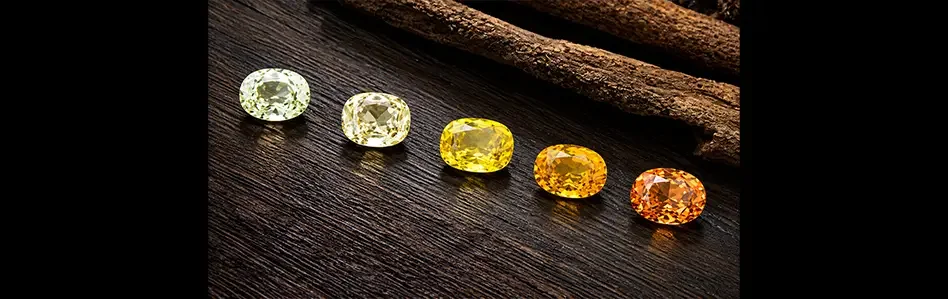
Maa Brahmacharini is the Devi of devotion and quiet discipline, shown walking barefoot with a rosary in hand. Yellow sapphire, tied to Jupiter, matches her.
Tradition links it with wisdom, learning and steady prosperity, which is why students and families often choose it. Look for a clear, lively golden-yellow stone, and ask whether its colour is natural or heat-enhanced.

Day 3: Garnet for Maa Chandraghanta
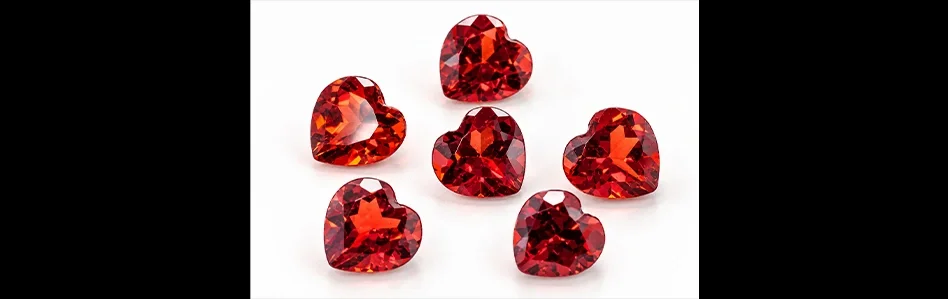
Maa Chandraghanta wears a bell-shaped crescent moon on her forehead, and she is the Devi of courage and protection.
Garnet, with its rich blood-red fire, is her stone in this tradition. It is believed to bring bravery, vitality, and a fearless attitude when life gets tough. Garnet is also affordable and durable, so it works well for everyday jewellery after the festival.
Must Read: Which Gemstone To Wear According To Your Rashi (Zodiac Sign)
Day 4: White Sapphire or Diamond for Maa Kushmanda
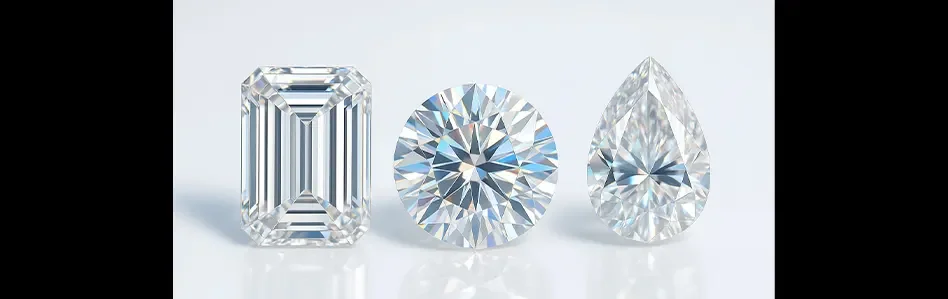
Maa Kushmanda is known as the creator of the universe, said to have brought it into being with a gentle smile.
White sapphire, or diamond for those who prefer it, represents her. Both are linked with Venus and traditionally believed to bring creativity, harmony, and a more graceful life. White sapphire is the budget-friendly pick, and a certified stone beats an unverified one every time.
Day 5: Red Coral for Maa Skandamata

Maa Skandamata is the mother of Kartikeya, and she is shown holding her infant son on her lap. She represents love, care and the strength of family bonds. Red coral, ruled by Mars, is the gemstone linked with her.
Tradition connects it with energy, courage and stable relationships. Remember that coral is an organic gem, so keep it away from perfume and harsh cleaners.
Must Read: Gemstones Around The World
Day 6: Emerald for Maa Katyayani
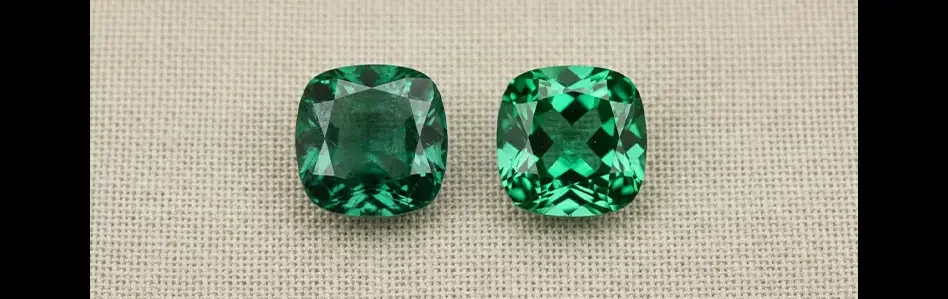
Maa Katyayani is Durga's warrior form, who defeated the buffalo demon Mahishasura. She stands for righteous anger and the power to protect what is right.
Emerald, the stone of Mercury, is paired with her. It is traditionally believed to support sharp thinking, good communication, and prosperity. Natural emeralds carry small inclusions, and light oiling is normal, but a seller should always tell you about it.
Day 7: Blue Sapphire for Maa Kalaratri
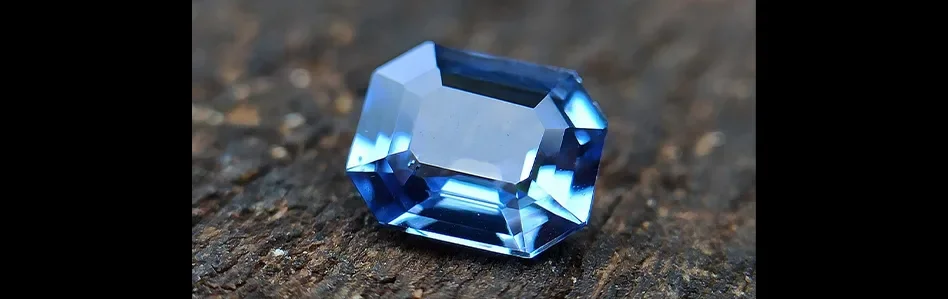
Maa Kalaratri is Durga's fiercest form, dark as the night and known for removing fear. Devotees turn to her for courage and protection.
Blue sapphire is linked with Saturn. Traditionally, it is connected with discipline, focus and resilience. It is also considered a powerful stone, so many astrologers suggest consulting one before wearing it regularly. Always buy a certified piece with its treatment disclosed.
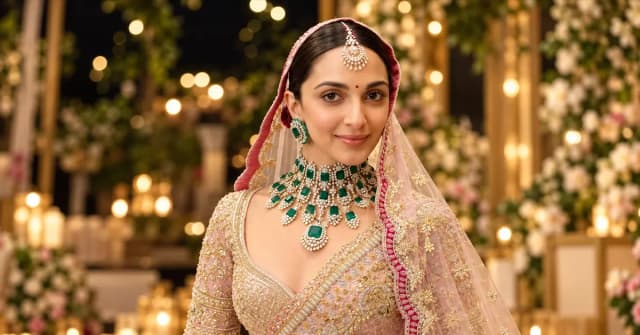
Must Read: Kiara Advani’s Bridal Look: A Throwback to Her Timeless Emerald Jewellery
Day 8: Pearl for Maa Mahagauri
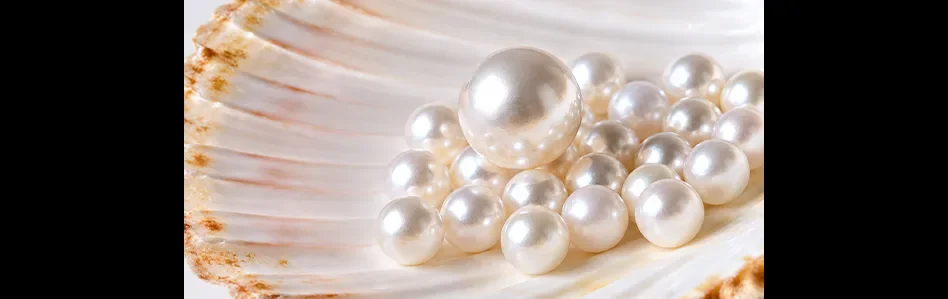
Maa Mahagauri is the serene, fair-complexioned form worshipped on Ashtami, representing purity, forgiveness and inner peace. Pearl, associated with the Moon, is the stone chosen for her.
It is traditionally believed to calm the mind and bring emotional balance. Natural pearls are rare and costly, so most jewellery uses cultured ones, which are perfectly genuine pearls. Check for an even luster and a smooth surface.
Day 9: Cat's Eye for Maa Siddhidatri

Maa Siddhidatri, worshipped on the final day, is the giver of siddhis, or spiritual accomplishments, and is shown seated on a lotus. She stands for wisdom and fulfilment.
Cat's eye, linked with Ketu, completes the set. Tradition connects it with protection, intuition and overcoming obstacles. A good one shows a sharp, silky line of light that glides across the stone as you move it
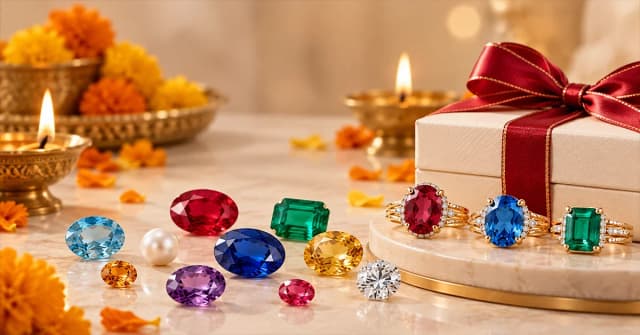
Navratri 2026 begins on 11th October, and this guide shares the nine Navratri gemstones to help you bring tradition into your festive look. Ruby, yellow sapphire, garnet, white sapphire, red coral, emerald, blue sapphire, pearl, and cat's eye each carry their own story and their own link to a form of Maa Durga.
Pick the stone that matches the day you'll be praying, or the one you've always been drawn to. Whatever you choose, buy genuine, certified stones, and ask about treatments before you pay.
A stone worn with faith and bought with care will mean far more than one picked in a hurry. Wishing you a blessed Navratri.
Discover the latest gemstone news, industry trends, buying guides and expert insights with Gemstone Today.

Durgesh Sharma
Durgesh Sharma is a passionate writer and certified gemstone expert with over four years of practical experience in the field of gemology. Alongside his creative writing journey, he specializes in helping individuals choose the right gemstones based on astrological principles and personal needs.