De Beers to Take Full Control of Gahcho Kué as Mountain Province Exits 49% Stake
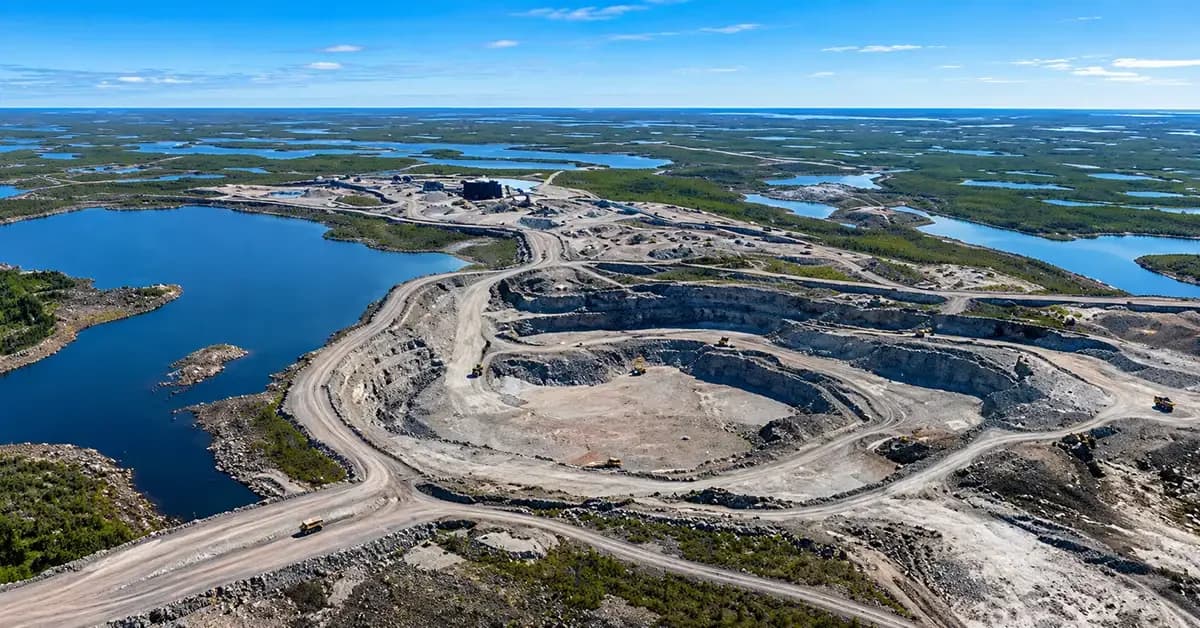
Imagine walking away from half of a diamond mine because holding on has become too costly. That's essentially what just happened in northern Canada. On 1 October 2026, Mountain Province Diamonds announced it will hand its 49% stake in the Gahcho Kué mine in the Northwest Territories to its partner, De Beers.
Once the deal closes, De Beers will own and control the entire operation. Behind the headline is a company squeezed by falling diamond prices and obligations it could no longer carry.
In this blog, we'll walk through who's involved, what each side gets, why the deal happened, and what Mountain Province still holds.
What Is the Gahcho Kué Deal?

De Beers, which already holds a 51% share, will take over the 49% of Mountain Province's share of the Gahcho Kué mine in the Northwest Territories, Canada. In return, the agreement removes Mountain Province from all associated obligations and liabilities to the mining partnership, including reclamation payments and outstanding debts.
Mountain Province CEO Jonathan Comerford described the deal as: “This agreement follows an extensive review of the alternatives available to the company against the backdrop of a material decline in diamond prices over the past year, driven in the main by tariff-related uncertainty and the conflict in the Middle East. It provides the most credible path to protect stakeholder value in the current circumstances.”
Why Is Mountain Province Giving Up Its Stake?
Mountain Province points to the diamond market. The company says it conducted an extensive review of its options after diamond prices fell sharply over the past year. According to Comerford, uncertainty over tariffs and the Middle East conflict drove that drop.
When prices fall, a mine earns less from every stone it produces, while debts and clean-up obligations stay where they are. That squeeze is hard for a smaller company to survive.
There's a second piece to the story. Alongside the De Beers agreement, Mountain Province reached a deal with Dunebridge, its major shareholder and creditor, to suspend interest and capital repayments for six months. That pause buys time to restructure its balance sheet and look for new funding.
Must Read: Why is Sri Lanka Known for Gemstones?
What Does Mountain Province Get to Keep?

Mountain Province isn't leaving the story entirely. The agreement leaves it a few ways back in:
- First offer and first refusal: If De Beers decides to sell the mine, or its mineral rights, Mountain Province gets the first chance to buy.
- A buyback option: It can reacquire its 49% interest until December 2029, at a price linked to its share of the mine's decommissioning costs.
- The land around the mine: Through its Kennady project, the company still holds more than 96,000 hectares of mineral claims and leases around Gahcho Kué.
That land includes the Kelvin and Faraday kimberlites, the ore pipes where diamonds are found. Kelvin has an indicated mineral resource, while Faraday has inferred resources, so both keep the company exposed to the region's longer-term exploration potential.
Comerford has said that if diamond market conditions keep improving, new funding could help Mountain Province use these rights and keep developing the Kennady assets.
Gahcho Kué Is Now Canada's Last Diamond Mine
Diavik stopped production in March 2026, and Ekati is now in receivership, making Gahcho Kué Canada's last operating diamond mine. For years, those two mines and Gahcho Kué made up Canada's big three diamond producers. Now only one is left.
The mine's own future is shorter, too. In February 2026, De Beers and Mountain Province paused the Tuzo Phase 3 expansion, a project meant to keep the mine running until about 2030. Without that expansion, CBC reports a planned closure timeline of 2028, although the Tuzo expansion could potentially be revisited if market conditions improve
FAQs
1. Who will own Gahcho Kué after the deal?
De Beers will own and control the mine.
2. Why did Mountain Province give up its 49% stake?
It cited a material fall in diamond prices over the past year, which it linked mainly to tariff uncertainty and the Middle East conflict. Handing over the stake would also free it from joint venture obligations.
3. Can Mountain Province get the mine back?
It can buy back its 49% before December 2029, plus first-offer and first-refusal rights if De Beers sells.
4. What is a kimberlite?
It's a type of ore pipe that can contain diamonds. Mountain Province still holds claims around the Kelvin and Faraday kimberlites.
To sum it up: Once the restructuring is complete, De Beers will own all of Gahcho Kué, and Mountain Province will be released from its outstanding obligations to De Beers, including its remaining share of decommissioning and reclamation costs . It keeps the right to buy back in, so the door isn’t shut. For anyone following the diamond industry, this is a deal worth watching.

Durgesh Sharma
Durgesh Sharma is a passionate writer and certified gemstone expert with over four years of practical experience in the field of gemology. Alongside his creative writing journey, he specializes in helping individuals choose the right gemstones based on astrological principles and personal needs.