Alexandrite: The Colour-Change Gem That's Rarer than Diamonds
Introduction
We often think that diamonds are the rarest gems present on the planet, but this is far from the truth. There are certain gemstones which are even rare than a diamond. Now there are stones which usually impress people with their brilliance, on the other hand there are those ones which almost feel alive, alexandrite is one such gemstone. This gemstone does not just sparkle rather it transforms.
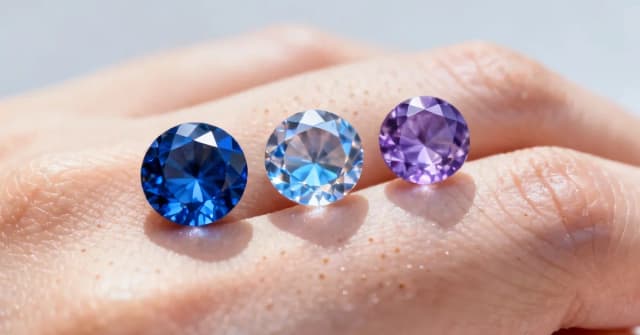
The reason behind saying this is, under broad daylight alexandrite shines in the shades of green or bluish green. Whereas in warm, incandescent light, it shifts its colour to a dramatic red, purplish red or even to raspberry tones. This colour changing phenomenon is known as the alexandrite colour change. The phenomenon is so intriguing to describe that even the gemmologists describe it as ‘emerald by day, ruby by night’.
However, when we get into the details that goes beyond the visual magic, then we understand its allure and rarity. Some of the fine quality alexandrite are not only rare but are rarer than the diamonds as well in nature. This single fact alone has turned the most coveted gemstones in the world.
The Science Behind Magic
When we look for the first time, the colour changing nature if alexandrite almost feels magical but in reality, it is precise interaction of chemistry and light.
Alexandrite is a variety of chrysoberyl which means that its defining trait comes from the trace amounts of chromium within the crystal structure. The beauty of this element is that it selectively absorbs certain wavelengths of light which further causes the gem to appear green in daylight and red under incandescent light.
The key to understand the play of light is to see how different light sources emit different spectra. Light in day is rich in blue and green wavelengths, whereas the incandescent light leans towards red. Alexandrite gemstone responds to this light shift and effectively changes its appearance depending on its environment it is in. this quality makes alexandrite special as no other stone has the same ability to reflect light in such a manner. The most valuable specimen shows a near complete transformation whereas other gemstones might show a subtle shift.
A Royal Discovery: The Story of Russian Alexandrite
The history of alexandrite is as exiting as the stone. This gemstone was first discovered in the Russian Ural Mountains in 1830s. more interestingly the name of this elite gemstone came from Tsar Alexander II.
When it was first discovered its symbolic resonance fascinated everyone. The green and red hues of the stone resonated with the military colours of Imperial Russia making it a national treasure. What made it iconic and rare was the absence of abundance of raw material in the original Russian mines. Due to their limited resource, over time the stone became nearly depleted making he authentic Russian alexandrite exceptionally rare today. Stones from these kind of historic resources commands premium prices in auctions and private collections.
Some of the modern deposits of alexandrite exists in Brazil, Sri Lanka, and East Africa, however, even these resources are limited especially for the high-quality material.
Why Alexandrite is Rarer Than Diamonds?
The comparison between the rarity of diamonds and alexandrite is not just because of the market but it comes down to geology. Diamonds are valuable stones but on the same hand, they are mined at a significant level worldwide. Alexandrite has a very specific combination of elements which are beryllium and chromium which forms under specific geological conditions which occur next to never together.
Even if an alexandrite forms in different environments, only a fraction exhibits the desirable and valuable colour change effect and amongst them only a small percent is of good gem quality.
To understand simply:
- Most of the diamonds found can be cut into gemstones.
- Most of the alexandrite discovered cannot be cut in gemstones.
This scarcity when applied to basic rules of demand and supply of economics, makes alexandrite one of the rarest gemstones on earth.
Alexandrite Price Per Carat: What Makes it so Expensive?
Since alexandrite is a unique gemstone, it price per carat can stagger a lot. Some of the price points for alexandrite are:
- Fine stones which are above 1 carat can range from $10,000 to $30,000 per carat.
- Some of the exceptional specimens might even exceed $50,000–$100,000 per carat at auctions.
- Even the smaller stones with high-quality can have thousands per carat.
In many cases the price per carat of an alexandrite can surpass diamonds, rubies, and sapphires in price.
Key Factors That Influence Value
Some of the key factors which actively affects and influences the price range of an alexandrite is as follows:
- Colour is the key for alexandrite, because the stronger is the colour change, the higher would be the price point.
- Another colour gradience which is important is pure green to pure red is the ideal colour required in alexandrite.
- Alexandrite mines being rare, hence most of the available stones are under 1 carat but larger stones are exceptionally rare.
- Every stone demands clarity which is one of the deciding factor for its price but specifically for alexandrite colour matters more along with clarity.
- Since the stone came from Russia which later became next to extinct, the Russian alexandrite commands a premium price.
Read Also: Indian Gemstones: A Guide to Jaipur's Gem Cutting Industry
Alexandrite vs Lab Alexandrite: What Buyers Need to Know
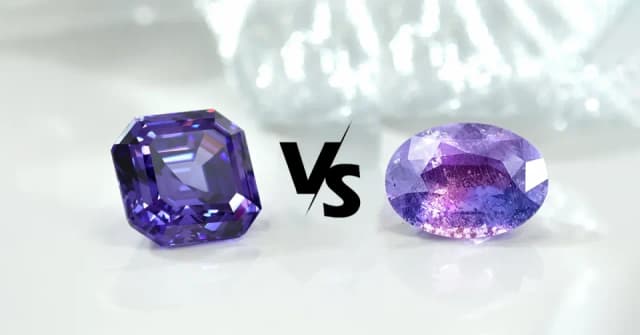
With the technological advancement, one of the most asked questions is about alexandrite vs lab alexandrite. The honest answer to this debate is that both of them can look similar, the differences are given below:
Natural Alexandrite:
- Are formed over millions of years under Earth’s surface.
- They are extremely rare.
- Due to their rarity, they command high prices.
- They often include natural inclusions.
- These were first found in Russia, making Russian alexandrite even more rare.
Lab-created Alexandrite
- These are created in controlled environment.
- These are chemically identical to the natural stones.
- Due to the controlled making, these stone replicate the same colour change.
- However, due to better availability these are the more affordable and accessible stones.
The main difference is the origin and rarity of the stone and not the composition. When talking about collectors and investors, they prefer natural stones as they hold long-term value. For people wanting the stone for everyday use can opt for lab-created stones as they will get the same beauty at a fraction of price.
How to Identify a Real Alexandrite Gemstone
If you wish to buy a real alexandrite stone, then here are some of the tips to identify one in the first place:
- There will be a distinct colour change in the gemstone in day and night which the stone’s speciality.
- Getting a certificate from a renowned laboratory is extremely important.
- Since alexandrite is a natural stone, it is important to look for inclusions as there will be some present in it.
- Price realism, it means that a real alexandrite will never be cheap.
Always keep in mind that if a seller offers a ‘natural alexandrite’ at an unusually low price then it is almost certain that the piece is synthetic or a different colour changing gemstone.
Alexandrite in Jewellery: A Collector’s Dream
Even though alexandrite is one of the rarest gemstones available in the market, it is slowly but steadily finding its way in modern jewellery. Apart from being a desirable stone in terms of colour, it is also favourable for jewellery purpose due to its hardness. It ranks 8.5 on Mohs scale making it suitable for everyday wear.
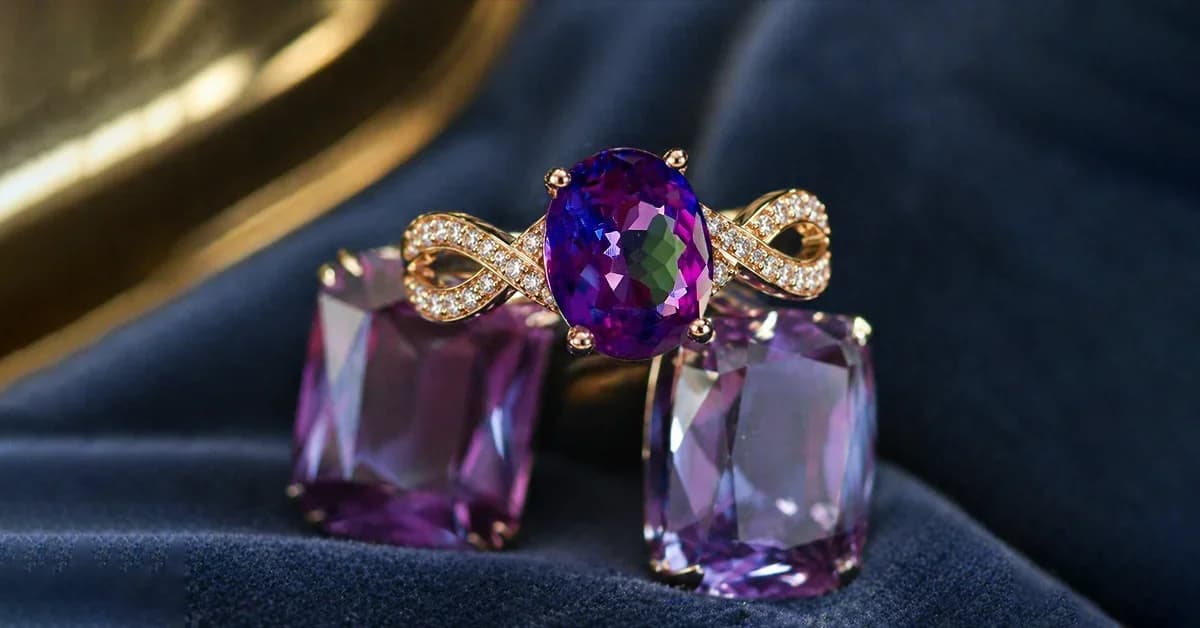
Alexandrite is also appealing to people because of its versatility. This single piece of gemstone can look like two different ones depending on lighting, giving the wearer a distinct ever-changing accessory. For collectors it is a piece of statement of rarity, individuality and refined taste.
Why Is Alexandrite Gaining Modern Attention?
In the recent times, people have shifted from a traditional approach to a more unique and individually fitting approach. Even for an engagement ring, people are shifting to coloured gemstones and alexandrite fits perfectly into this mix because:
- This stone offers a different rarity without it being mainstream.
- It has a compelling story attached to it which has character and history joined to it.
- The sone delivers a visual experience which is unlike any other gemstone.
Ther have been report from certain auction houses and luxury jewellers that there is an increasing demand especially for high-quality stones with a strong colour change.
Conclusion
To conclude we can say that alexandrite stone is right at the intersection of science, history and rarity. It is one of the gemstones which changes according to its environment while challenging the conventional idea of colour. In terms of scarcity and rarity it beats diamonds by a ton.
Alexandrite is a gemstone which is loved and looked out for by everyone be it a collector, a jewellery enthusiast, or someone exploring meaningful gemstones. This stone offers unpredictability, depth, and even a sense of discovery every time you look at it. We can say that alexandrite is a stone which offers brilliance and dynamic behaviour in the world of static beauty.

Durgesh Sharma
Durgesh Sharma is a passionate writer and certified gemstone expert with over four years of practical experience in the field of gemology. Alongside his creative writing journey, he specializes in helping individuals choose the right gemstones based on astrological principles and personal needs.
- Introduction
- A Royal Discovery: The Story of Russian Alexandrite
- Why Alexandrite is Rarer Than Diamonds?
- Alexandrite Price Per Carat: What Makes it so Expensive?
- Key Factors That Influence Value
- Alexandrite vs Lab Alexandrite: What Buyers Need to Know
- How to Identify a Real Alexandrite Gemstone
- Alexandrite in Jewellery: A Collector’s Dream
- Why Is Alexandrite Gaining Modern Attention?
- Conclusion