How To Choose An Emerald for an Engagement Ring
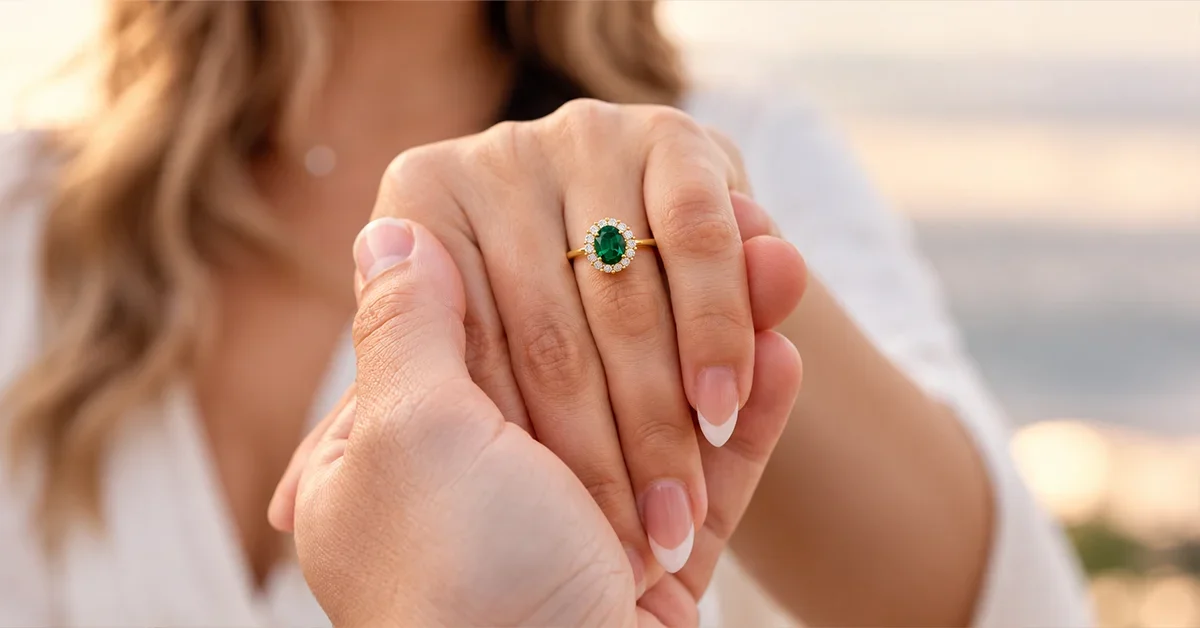
Emerald engagement ring or diamond? For a growing number of couples, the answer is green; they want something that doesn’t look like everyone else’s.
That deep green is hard to ignore. Emeralds feel personal, romantic, and a little bit rebellious, which is exactly what many people want from a ring they’ll wear for decades.
But choosing an emerald takes more than finding a stone you like. Colour, clarity, cut, durability, and treatment all affect emerald ring quality and what it’s worth. A pretty stone in the wrong setting can chip, and a pale one can cost far more than it should.
In this guide, we’ll cover how to judge emerald colour, clarity, and cut; how durable emeralds really are; and whether a natural or lab-grown emerald suits you better.
Are Emeralds Good for Engagement Rings?
Yes, emeralds can make good engagement rings, as long as you choose the stone and setting carefully. Their rich green colour is unlike anything else, and the natural inclusions mean no two stones are quite alike.
Many cultures have long linked emeralds with love, renewal, and growth, which adds to their romantic appeal. On the Mohs scale, an emerald rates 7.5 to 8, so it resists scratches fairly well.
But hardness isn’t toughness: inclusions and fractures make emeralds more prone to chipping on a hard knock than a diamond.
Compared with a diamond, you trade some toughness for colour and character. If you want something distinctive and don’t mind a protective setting and a bit of extra care, an emerald is a lovely choice.
How to Choose a Good Emerald for an Engagement Ring
Knowing how to choose a good emerald for an engagement ring comes down to six things: colour, clarity, cut, size, origin and treatment. Emeralds aren’t graded like diamonds, so two stones that look alike online can be very different in person. Here’s what to check, step by step, before you buy.
1. Check Emerald Colour and Saturation
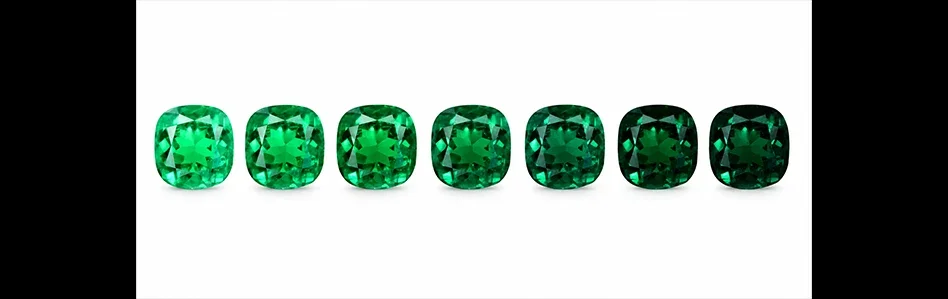
Emerald ring quality depends on hue, tone, and saturation of gemstone together. The best emeralds are a pure green or slightly bluish green, with vivid saturation and even colour across the stone.
Transparency also plays an important role, as clear stones glow more. Very dark stones can look almost black indoors and lose their life.
2. Examine Emerald Clarity and Inclusions
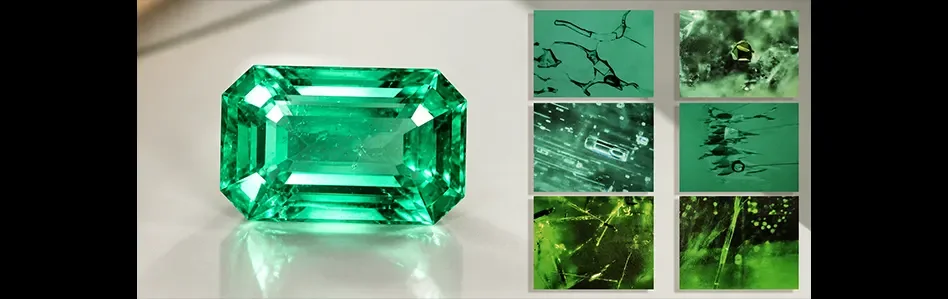
Almost every natural emerald has inclusions, often called the “jardin,” and they aren’t automatically a flaw. Small, scattered ones are normal.
But fractures that reach the surface or run across the stone, since they dull transparency and make chipping more likely.
3. Choose the Right Emerald Cut and Shape

The emerald cut is the classic, but oval, round, pear and cushion shapes all work well.
Focus on the emerald's symmetry, proportions, and polish. A well-cut stone shows better colours and handle light nicely, while a poor cut stone looks patchy.
4. Examine Carat Weight and Emerald Size

Carat measures weight and not size of emerald, so a one-carat emerald can look larger or smaller depending on its depth and shape.
A smaller emerald with lovely colour and good proportions will usually beat a larger, paler stone.
Must Read: Bhai Dooj Gifting Ideas: Gemstone Jewellery for Siblings
5. Understand Natural vs. Lab-Grown Emeralds
Natural emeralds form in the earth over millions of years, while lab-grown emeralds are created in a laboratory with essentially the same chemistry and crystal structure. So, are natural emerald engagement rings better than lab-grown emeralds? Not in looks, but natural stones from commonly cited origins, such as Colombia, Zambia and Brazil, are rarer and tend to hold more market value, while lab-grown ones cost noticeably less.
6. Check Emerald Treatments Before Buying
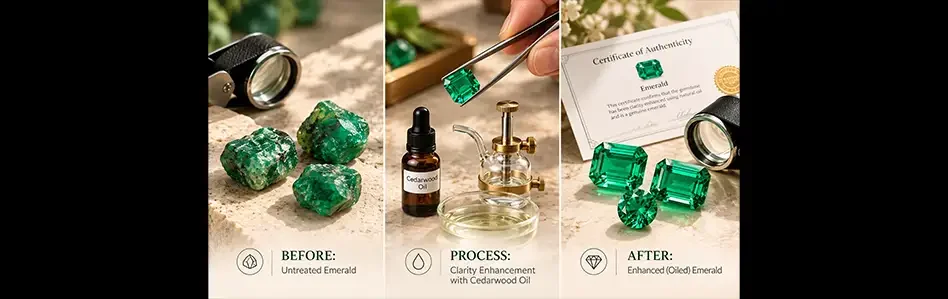
Most emeralds are treated to improve their clarity. The usual method is filling surface-reaching fractures with oil or resin. This is common and accepted, but you should know what was done.
Labs such as GIA, SSEF, and Gübelin report the level of treatment, from none to minor, moderate or significant. Ask which one applies, and get it in writing. Treatment affects both price and care, because heavily filled stones are more sensitive to heat and harsh cleaning.
Is an Emerald Durable Enough for an Engagement Ring?
Mostly, yes, as long as you choose carefully. An emerald rates 7.5 to 8 on the Mohs scale, so it resists everyday scratches well. The catch is toughness.
Natural emeralds often contain small fractures, so a hard knock can chip them, especially at the corners. A bezel or halo setting, a stone with fewer surface-reaching fractures, and a habit of removing the ring for chores will keep an emerald engagement ring looking good for years.
Also avoid ultrasonic and steam cleaners, since they can damage filled stones. Use lukewarm water and a soft brush instead.
Emerald Engagement Ring Buying Guide: Setting and Metal
Once you’ve picked the stone, the setting and metal decide how well your emerald engagement ring wears and how it looks. Since emeralds can chip, this part of the buying guide matters as much as the gem itself.
Choose a Protective and Stylish Ring Setting
Emerald edges and corners are its weak spots, so the best setting shields them from knocks against doors, counters, and keys. Each of the three popular styles handles that differently:
- Bezel setting: A thin metal rim wraps around the stone. It gives the most protection and a clean, modern look, though it covers a little of the emerald and shows slightly less light.
- Halo setting: Small diamonds or gemstones circle the emerald. The halo adds sparkle, makes the centre stone look larger, and acts as a buffer against bumps.
- Prong setting: Metal claws hold the stone, letting in the most light and showing the green at its brightest. The downside is that the corners are more exposed. If you choose prongs, ask for V-shaped prongs on emerald-cut corners and check that they’re snug.
If the ring will be worn daily, a bezel or halo is the safer pick.
Select the Right Metal for Your Emerald
Metal changes how green the emerald looks, so it’s worth holding the stone against each option. Here’s how the four common choices compare:
- Yellow gold: Warm and classic. It gives the green a rich, vintage feel and can complement slightly yellowish emeralds well.
- White gold: Cool and bright. It lets the green stand out against a neutral frame, though it usually needs re-plating over time to keep its colour.
- Platinum: Naturally white, strong and less likely to irritate sensitive skin. It keeps the focus on the emerald and holds stones securely, but it generally costs more.
- Rose gold: Soft and romantic. The pink tone contrasts with the green and gives the ring a distinctive, slightly vintage look.
There’s no wrong choice. Choose the metal that suits the wearer’s style and skin tone, and that makes the emerald look its best in person.
How Much Should You Spend on an Emerald Engagement Ring?
So, how much should you spend on an emerald engagement ring? There’s no single answer, because emerald prices vary widely, from affordable lab-grown stones to rare, top-quality natural ones.
The cost of an emerald engagement ring depends on colour, clarity, carat weight, cut, treatment, whether the stone is natural or lab-grown, and the metal and design of the setting. Colour usually carries the most weight, so a vivid green will cost more than a pale one.
Rather than chasing a set number, decide on a budget you’re comfortable with and put most of it into a lovely colour and overall look. Then balance clarity, size and treatment to suit your taste, and compare several stones before you buy.
Frequently Asked Questions
1. Are natural emeralds better than lab-grown emeralds?
Not necessarily. They look alike and share the same chemistry, but natural emeralds are rarer and worth more. Lab-grown ones cost less, so the better choice depends on your priorities.
2. Can you wear an emerald engagement ring every day?
Yes, you can wear an emerald engagement ring every day. Choose a protective setting like a bezel or halo, remove the ring for chores like the gym, and cleaning, and have it checked regularly to keep the stone secure.
3. Is an emerald durable enough for an engagement ring?
Yes, Emeralds rate 7.5-8 on the Mohs scale, so they resist scratches well, but inclusions make them more likely to chip than diamonds. A protective setting and gentle wear can help to keep the emerald safe.
4. What to look for when buying an emerald engagement ring?
Prioritise a vivid, even green colour, then check clarity, cut, and size. Ask about treatments, choose a protective setting, and buy from a trusted jeweller with a gemological report.
Final Thoughts
The best emerald engagement ring isn't the biggest or the darkest. It's the one with a lovely colour, a cut and setting that protect it, and a seller who's open about what you're buying. Take your time, compare a few stones in person, and ask plenty of questions
Discover the latest gemstone news, industry trends, buying guides and expert insights with Gemstone Today.

Durgesh Sharma
Durgesh Sharma is a passionate writer and certified gemstone expert with over four years of practical experience in the field of gemology. Alongside his creative writing journey, he specializes in helping individuals choose the right gemstones based on astrological principles and personal needs.